Your "whole wheat" bread might not be whole wheat: the brown-color trick
Many "multigrain" or "whole" breads are dyed white flour. Here's how to spot them in 5 seconds.
The short version
- Refining wheat strips out more than half its B vitamins, 90% of its vitamin E, and nearly all the fiber (Harvard).
- Brown color or the word "multigrain" does NOT guarantee whole grain; the color can come from molasses or caramel.
- Trick: make sure "100% whole grain / whole-wheat flour" is the first or second ingredient.
Brown doesn't always mean whole
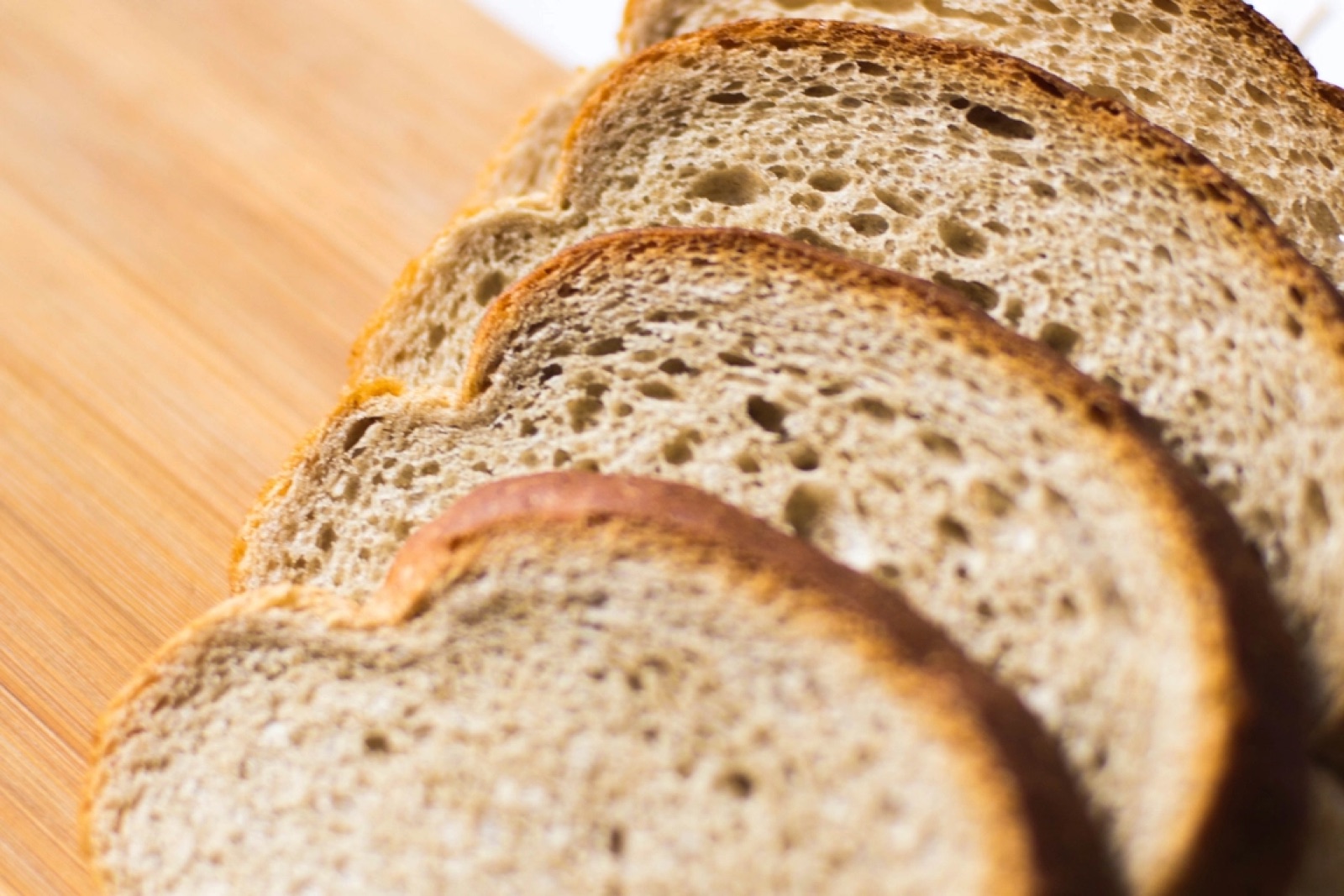
You're at the store, you see a brown, seedy loaf that says "multigrain." Sounds healthy, right? The catch is that color proves nothing: bread can look dark simply because molasses or caramel color was added to a dough made of refined white flour.
"Multigrain" is no guarantee either: it only means several grains are present, not that those grains are whole.
What you lose when grain is refined
Here's what actually matters. According to Harvard's School of Public Health, refining wheat strips away more than half of its B vitamins, 90% of the vitamin E, and virtually all the fiber.
Whole grain, by contrast, keeps that "complete package" of nutrients and fiber. That's why truly whole-grain bread is more filling and better for your digestion and blood sugar.
How to read the package in 5 seconds
Ignore the front and go to the ingredient list. Harvard sums it up: to know a product is 100% whole grain, make sure it's listed first or second in the ingredients ("whole-wheat flour," "whole grain").
Another useful Harvard rule: check the carbohydrate-to-fiber ratio. Healthier products tend to have fewer than 10 g of carbs per gram of fiber. And note: commercial "whole grain" stamps don't, on their own, guarantee the product is healthy.
What to choose
Look for bread that says "100% whole grain" with whole grain as the first ingredient — or better yet, unprocessed grains: oats, brown rice, quinoa. If you track your macros, scan the bread with CalorIA Scan and compare fiber across brands before you decide.
Stop guessing your calories
CalorIA Scan reads your plate from a photo and gives you calories and macros tuned for real Mexican and Latino food — where generic apps get it wrong.
Get CalorIA Scan freeSources
Keep reading
- 🧪AdditivesThat bright green in your chewing gum isn't "natural" — it's chlorophyll with copper
- 🌾MythsThat "fit" granola bar can carry as much sugar as a cookie
- 🍓MythsYour "light" yogurt can pack more sugar than a donut
- 🥚MythsDo eggs clog your arteries? What the science actually found
This article is informational and not medical advice. Consult a doctor or registered dietitian before changing your diet, especially with a pre-existing condition.
Comments