The "natural" juice you think is healthy can hold as much sugar as a soda
Juicing fruit strips out the best part and concentrates the sugar. It's not the same as biting into it.
The short version
- Harvard: juice holds as much sugar and calories as soda, even though it's natural fruit sugar.
- Juice doesn't fill you up like whole fruit, so you don't make up for it by eating less later.
- Guidance: at most one small glass a day; whole fruit is the better choice, fiber included.
"Natural" doesn't mean harmless
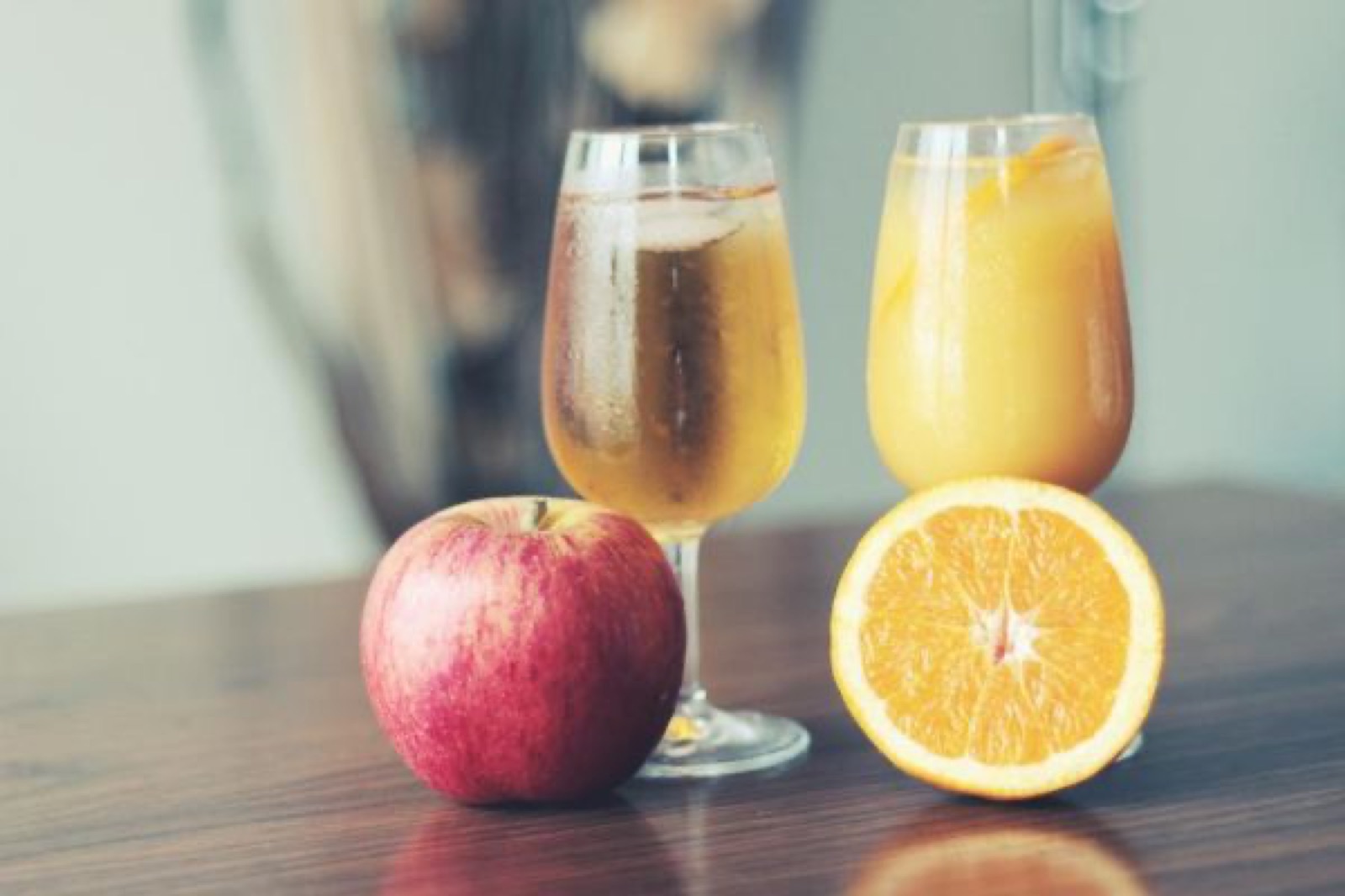
A glass of "natural" orange juice sounds like the healthiest part of breakfast. But to fill that glass you need to squeeze 3 or 4 oranges. You drink the sugar of all of them in one gulp, without the fruit that came with it.
That's why Harvard warns that juice "contains just as much sugar and calories as soft drinks" (even if it comes from natural fruit sugar). "Natural" describes where the sugar comes from, not how much there is.
What's lost: fiber and fullness
The key difference between biting a fruit and drinking it is fiber and how it fills you. Harvard explains that juice doesn't trigger the same satiety as solid food: you don't feel as full from liquid calories, so you don't offset them by eating less the rest of the day.
Whole fruit, with its fiber, fills you up, slows sugar's entry into the blood, and makes you chew. That "complete package" is exactly what the juicer throws away.
How much is reasonable
No need to demonize juice, but put it in its place. The guidance Harvard cites suggests limiting juice to one small glass a day, while whole fruit can be enjoyed freely. The WHO, for its part, counts juice sugar as part of the "free sugars" you should keep under 10% of your calories.
What to do
When you can, eat the fruit instead of drinking it. If you love juice, make it a small, occasional glass — not the daily liter. For thirst, water or a very light fruit water. And if you track your sugar, scan with CalorIA Scan to see how much you're really having.
Stop guessing your calories
CalorIA Scan reads your plate from a photo and gives you calories and macros tuned for real Mexican and Latino food — where generic apps get it wrong.
Get CalorIA Scan freeSources
- Harvard T.H. Chan — The Nutrition Source: Sugary Drinks (includes juice)
- WHO — Healthy diet (free sugars < 10%)
Keep reading
- 🧪AdditivesThat bright green in your chewing gum isn't "natural" — it's chlorophyll with copper
- 🌾MythsThat "fit" granola bar can carry as much sugar as a cookie
- 🍓MythsYour "light" yogurt can pack more sugar than a donut
- 🥚MythsDo eggs clog your arteries? What the science actually found
This article is informational and not medical advice. Consult a doctor or registered dietitian before changing your diet, especially with a pre-existing condition.
Comments